LOADING...
Financial institutions are the backbone of modern life. From receiving salaries and pensions to making digital payments, securing loans, and building savings, banks have become an integral part of every household. While banking services have evolved rapidly with technology, so have the risks faced by consumers.
Financial institutions are the backbone of modern life. From receiving salaries and pensions to making digital payments, securing loans, and building savings, banks have become an integral part of every household. While banking services have evolved rapidly with technology, so have the risks faced by consumers.
Being a bank customer today is not just about maintaining an account—it is about understanding your rights, protecting your money, and making informed financial decisions.
Millions of people trust banks with their hard-earned money. However, many customers remain unaware of the fees they pay, the rights they possess, or the steps they should take when problems arise. Lack of awareness often leads to financial losses that could have been prevented.
An informed customer is better equipped to avoid fraud, question unfair practices, and demand better service.
Every banking product should clearly explain:
Interest rates
Service charges
Processing fees
Penalties
Terms and conditions
Risks associated with the product
Consumers should never feel pressured into signing documents they do not fully understand.
Banks collect sensitive personal and financial information. Consumers have the right to expect that this information will be stored securely and used responsibly.
If suspicious transactions occur, they should be reported immediately to the bank.
Every customer deserves respectful and unbiased service regardless of age, income, gender, or location. Ethical banking means treating all customers fairly throughout the customer relationship.
Mistakes can happen in banking, but unresolved complaints should not become the customer's burden.
A good banking system provides:
Easy complaint registration
Acknowledgement of complaints
Regular status updates
Timely resolution
Escalation channels when necessary
Keeping records of emails, complaint numbers, and transaction details can significantly strengthen your case.
Loan agreements, credit card applications, investment-linked products, and insurance add-ons often contain detailed terms.
Total borrowing cost
Processing fees
Late payment penalties
Foreclosure conditions
Additional charges
Never rely solely on verbal assurances.
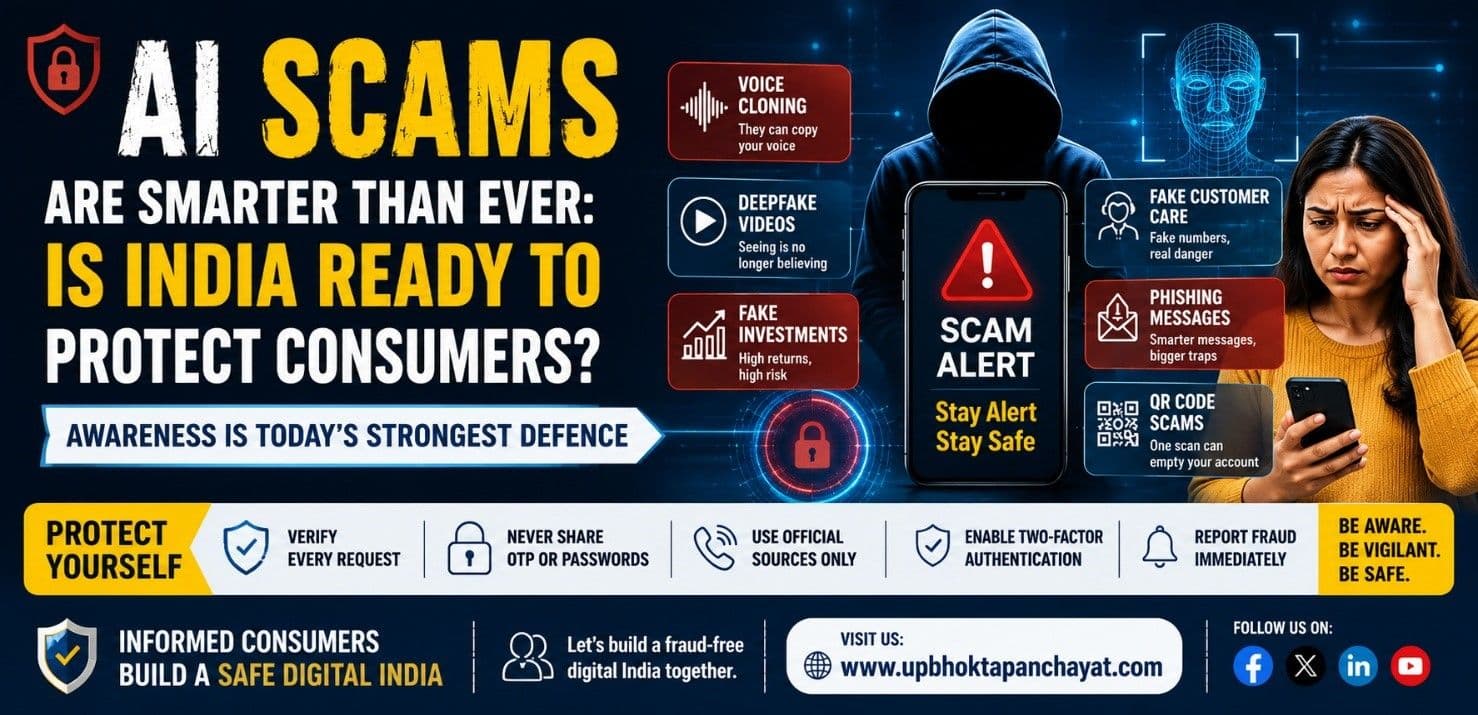
Online banking has transformed financial services, but cybercriminals have become increasingly sophisticated.
Fake customer care numbers
Phishing emails
Fraudulent investment offers
UPI payment scams
Screen-sharing application fraud
Fake KYC update requests
Fraudsters frequently exploit urgency and fear to manipulate victims.
Consumers can reduce risks by following a few simple practices:
Never share OTPs, PINs, passwords, or CVV numbers.
Enable transaction alerts on mobile and email.
Verify website addresses before logging in.
Use strong and unique passwords.
Regularly review bank statements.
Update banking applications only through official app stores.
Report suspicious activity without delay.
Loans should support financial goals—not create long-term stress.
Annual interest rates
Total repayment amount
Hidden charges
Flexibility for early repayment
Customer service quality
Consumers should:
Pay the full outstanding amount whenever possible.
Avoid unnecessary borrowing.
Monitor monthly statements carefully.
Keep credit utilization under control.
Responsible usage strengthens financial discipline and creditworthiness.
Consumer awareness benefits everyone. Informed customers encourage banks to improve transparency, strengthen customer service, and maintain higher standards of accountability.
Financial literacy is no longer optional—it is an essential life skill.
Banking is built on trust, but trust must be supported by knowledge. Every consumer should understand their rights, stay alert against financial fraud, and actively monitor their financial transactions. Safe banking begins with informed decisions.
A financially aware customer is not only better protected but also contributes to a stronger and more transparent financial system.
Banking has become an essential part of everyday life. Salaries are credited directly into bank accounts, bills are paid digitally, savings are managed online, and loans are processed faster than ever before. While technology has made banking more convenient, it has also increased the importance of financial awareness and responsible banking practices.
Financial institutions are the backbone of modern life. From receiving salaries and pensions to making digital payments, securing loans, and building savings, banks have become an integral part of every household. While banking services have evolved rapidly with technology, so have the risks faced by consumers.