
Consumer Rights
When the Sharma family visited a popular restaurant in Delhi for a weekend dinner, the meal was enjoyable and the service was satisfactory.
When Priya’s airline cancelled her flight and delayed the refund for weeks, she was confused about the next step.
For years, many consumers avoided legal action because they believed filing a case in a consumer court would require multiple visits, paperwork, and long waiting periods.
When Ritu enrolled her son in a reputed coaching institute for engineering entrance preparation, the institute promised “top faculty, daily doubt sessions, and personalized mentoring.”
When Neeraj’s father was admitted to a private hospital for a routine surgical procedure, the family expected the total expense to be around ₹1 lakh, based on the estimate provided at admission.
Amit had planned an important business trip from Delhi to Mumbai. He reached the airport two hours early, completed security checks, and settled near the boarding gate. Just when boarding was expected to begin, an announcement came over the speaker:
In today's fast-moving marketplace, consumers make dozens of purchasing decisions every month—shopping online, subscribing to digital services, booking travel, choosing financial products, and purchasing everyday essentials. While businesses continue to innovate and expand their offerings, consumers also face increasing challenges such as misleading advertisements, hidden charges, counterfeit products, delayed services, and unfair contract terms.
When Anjali opened a savings account, a relationship executive suggested starting a small mutual fund SIP for “long-term wealth creation.”
When Meena started investing small amounts in digital gold through a popular payment app, the process seemed simple. She regularly purchased gold worth ₹500, ₹1,000, and ₹2,000 whenever she had surplus funds.
When Raj received his credit card statement, the total outstanding amount was ₹10,000. Just below it, the bank highlighted another figure in large green letters:
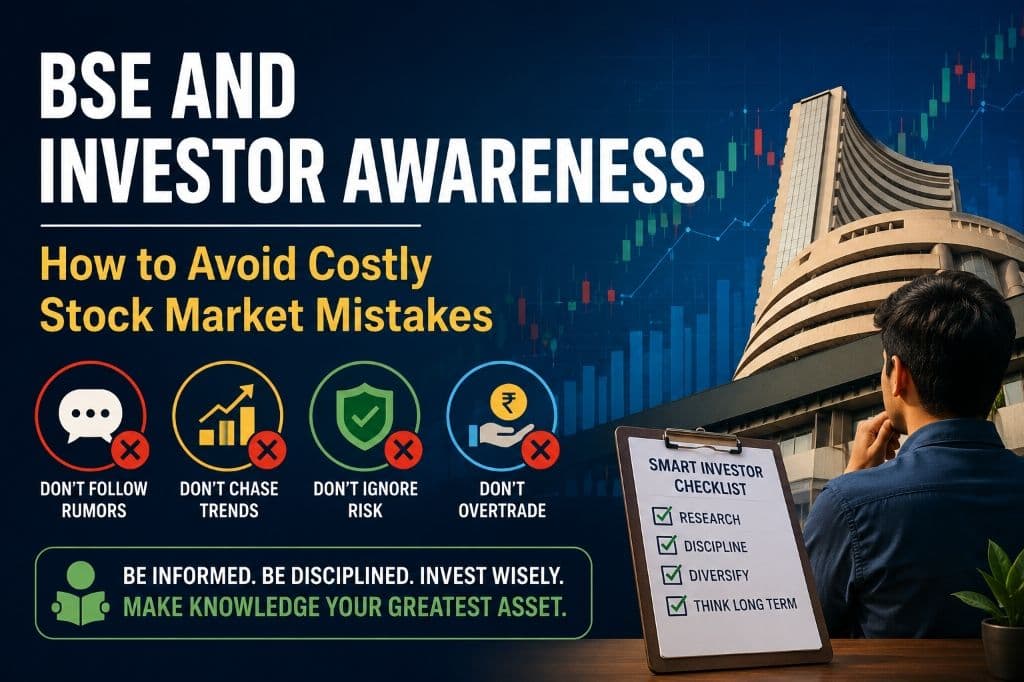
The stock market offers opportunities for wealth creation, but it also exposes investors to risk, volatility, and emotional decision-making. With increasing participation by first-time investors, understanding market discipline has become more important than ever.
Online investing has made participation in the stock market easier than ever. Through platforms connected to the National Stock Exchange of India, millions of retail investors can buy and sell securities with just a few clicks.
For decades, many Indian families depended on traditional savings, family support, and fixed deposits for retirement security. However, rising healthcare costs, longer life expectancy, inflation, and changing family structures have made retirement planning more important than ever.
India has witnessed an unprecedented rise in retail investors participating in the stock market. Online trading platforms, mobile applications, and social media have made investing easier than ever before. However, easy access has also increased the risk of misinformation, fraud, and emotionally driven investment decisions.
Money influences almost every aspect of modern life. From earning an income and managing household expenses to saving for retirement and protecting against financial emergencies, sound financial decisions shape long-term security and well-being. Yet many people make financial choices without fully understanding how money works.
Financial institutions are the backbone of modern life. From receiving salaries and pensions to making digital payments, securing loans, and building savings, banks have become an integral part of every household. While banking services have evolved rapidly with technology, so have the risks faced by consumers.
Banking has become an essential part of everyday life. Salaries are credited directly into bank accounts, bills are paid digitally, savings are managed online, and loans are processed faster than ever before. While technology has made banking more convenient, it has also increased the importance of financial awareness and responsible banking practices.
Financial institutions are the backbone of modern life. From receiving salaries and pensions to making digital payments, securing loans, and building savings, banks have become an integral part of every household. While banking services have evolved rapidly with technology, so have the risks faced by consumers.
When Sunita’s husband was admitted to a private hospital for a heart procedure, the family felt relieved that they had a health insurance policy of ₹10 lakh. The hospital initiated a cashless claim, and the treatment began immediately.
Health insurance has become one of the most important financial protections for Indian families, especially for senior citizens. Rising medical costs, longer life expectancy, and increasing incidence of chronic illnesses have made health coverage a necessity rather than a luxury.
Insurance is designed to provide financial protection against unexpected events. Whether it is a medical emergency, an accident, damage to property, or the loss of a family’s primary income, insurance helps reduce the financial impact of unforeseen circumstances. Yet many consumers purchase insurance without fully understanding the policy they are buying.
Insurance is one of the most important financial tools for protecting individuals and families from unexpected financial losses. Whether it is health insurance, life insurance, motor insurance, or home insurance, the primary purpose of insurance is to provide financial security when life takes an unexpected turn.
Vikram subscribed to an OTT streaming platform during a promotional offer. The plan was advertised as ₹149 per month, and he intended to use it only for a few weeks.
When Suresh booked four train tickets from Delhi to Patna for a family function, he paid ₹6,420 through IRCTC.
Tanvi downloaded a popular graphic design app for a work presentation. The app offered a 7-day free trial and promised:
Digital payments have transformed the way people manage money. From purchasing groceries and paying utility bills to booking travel tickets and transferring funds instantly, cashless transactions have become an integral part of everyday life. Smartphones, QR codes, mobile wallets, internet banking, and contactless payment systems have made financial transactions faster and more convenient than ever before.
When Pooja purchased a new air conditioner for ₹48,000, the salesperson strongly recommended an extended warranty plan.
When Manoj took his four-year-old hatchback for a routine service, he expected a bill of around ₹6,000–₹8,000.
When Anil purchased an electric SUV for ₹15 lakh, the company highlighted one feature repeatedly:
When Rakesh bought a flagship smartphone for ₹62,000, he believed the one-year manufacturer warranty would protect him against unexpected defects.
Arjun ordered dinner from a popular food delivery app after a long day at work. The order included Paneer Tikka, Butter Naan, and Dal Makhani worth ₹620.
Megha was booking movie tickets for a weekend show with her family. The app displayed a price of ₹300 per ticket. She selected the seats, entered her mobile number, added payment details, and proceeded to checkout.
Last Sunday morning, Rohit was preparing breakfast for guests visiting his home in Delhi. To save time, he opened a quick commerce app and ordered milk, yogurt, bread, and fruits worth ₹380.
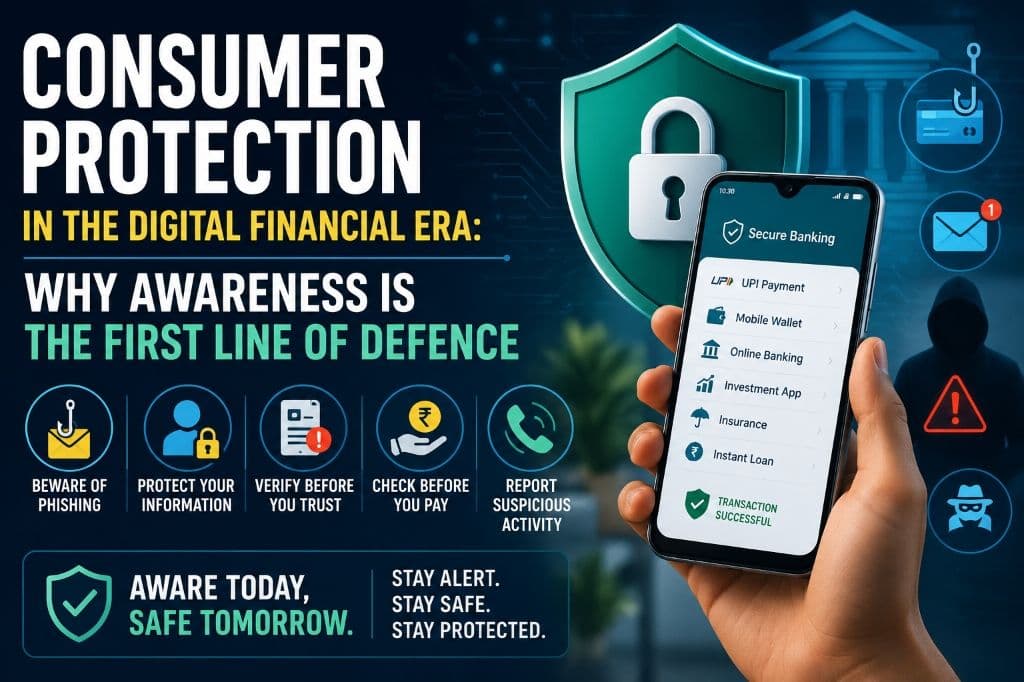
India’s financial ecosystem has undergone a dramatic transformation. Digital payments, online banking, mobile wallets, investment apps, insurance platforms, and instant lending services have made financial services more accessible than ever before.
Consumers today interact with hospitals, laboratories, educational institutions, certification bodies, testing facilities, and numerous service providers. While advertisements often promise high quality, consumers may find it difficult to judge whether those claims are reliable.
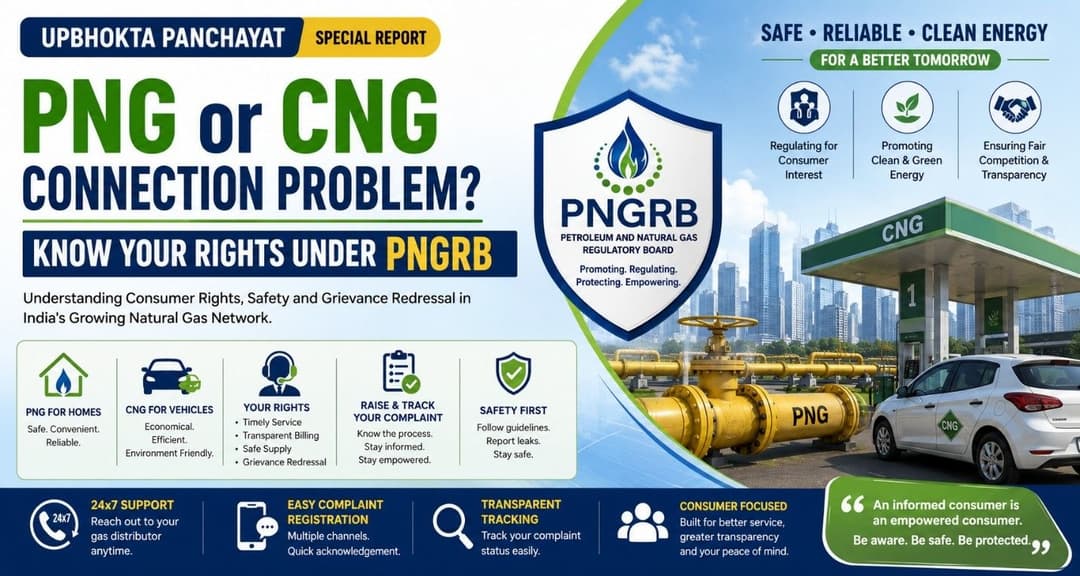
Liquefied Petroleum Gas (LPG) and Piped Natural Gas (PNG) have become essential household utilities. While they offer convenience and efficiency, improper installation, poor maintenance, or negligence can lead to serious accidents.
Packaged foods have become a regular part of daily life. From snacks and beverages to cooking ingredients and ready-to-eat meals, consumers rely heavily on packaged products for convenience.
Every day, consumers purchase electrical appliances, kitchen equipment, helmets, LPG accessories, toys, and a wide range of household products. While price and brand often influence buying decisions, one of the most important factors is frequently overlooked—product safety certification.
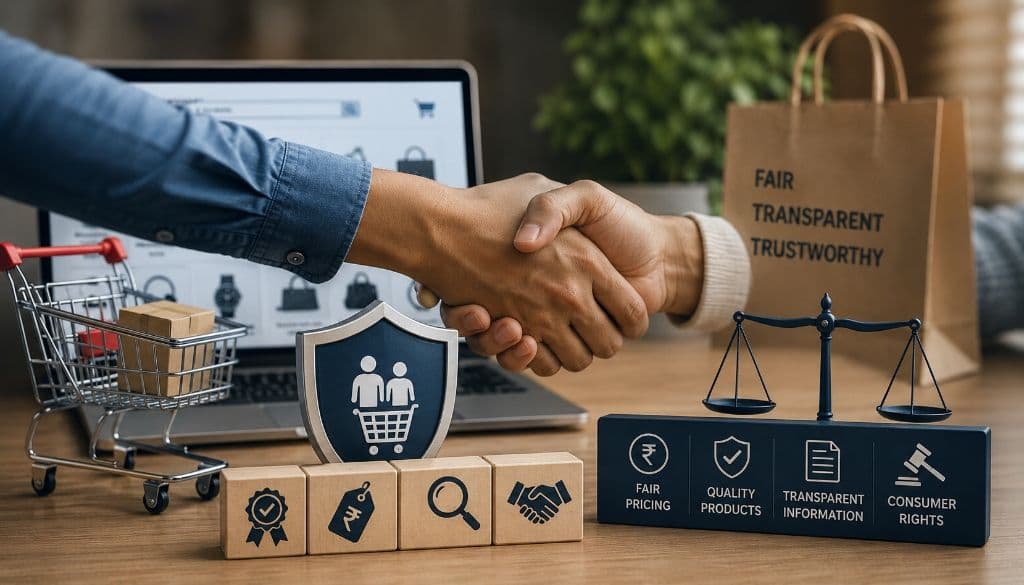
Every consumer expects honest information, quality products, fair pricing, and reliable services. Whether purchasing a household appliance, opening a bank account, buying insurance, shopping online, or subscribing to digital services, consumers deserve to be treated fairly. Consumer protection exists to promote transparency, accountability, and confidence in the marketplace.
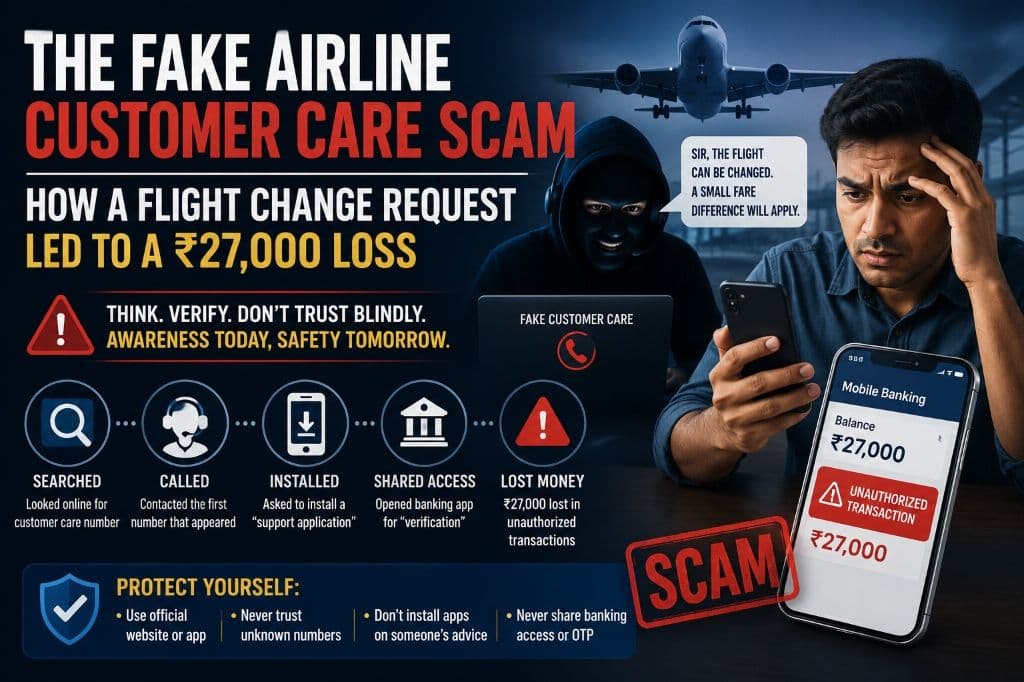
When Karan needed to reschedule a domestic flight, he searched online for the airline’s customer care number.
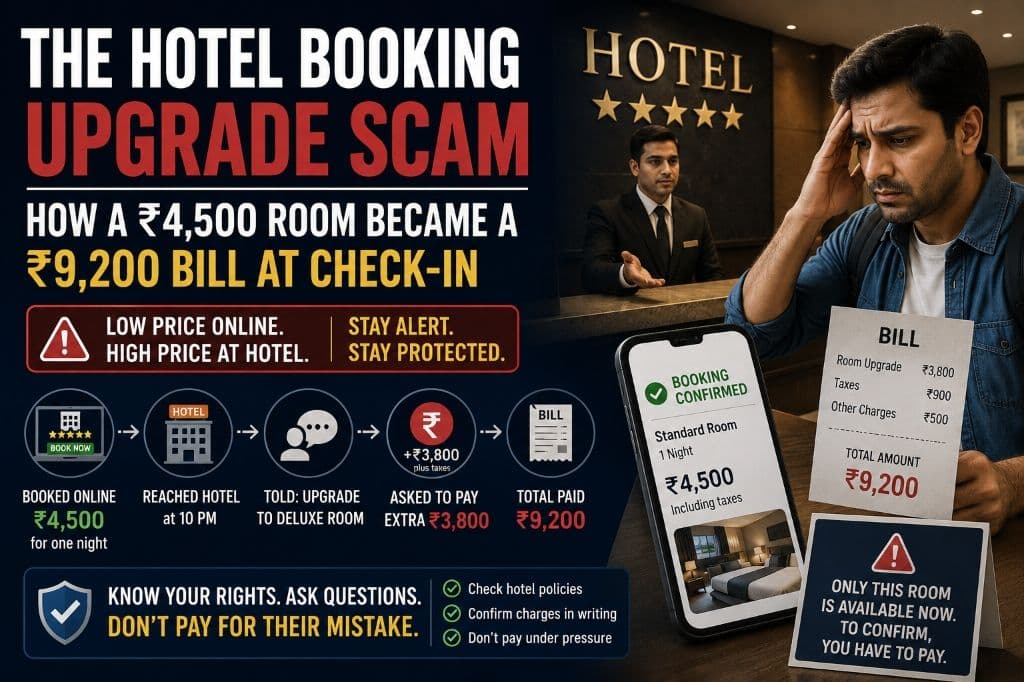
When Arvind booked a hotel through an online travel platform, the confirmation clearly showed ₹4,500 for one night, including taxes.
When Sanjay joined a Telegram group called “Elite Stock Advisory”, he was impressed by the screenshots posted daily.
After completing his graduation, Rohit was actively searching for a job. One evening, he received a WhatsApp message from someone claiming to represent a reputed multinational company.
When Akash faced a medical emergency, he needed ₹5,000 urgently. A search on his phone showed an app promising:
At 7:30 PM, just as Manoj returned home from work, he received a call from someone claiming to be from the electricity department.
When Vivek visited a shopping mall in Gurgaon, he paid little attention to the parking exit process. A laminated QR code was displayed near the payment counter with the words:
Neha was expecting a gift from her cousin who lived abroad. So when she received an SMS that appeared to be from an international courier company, she did not immediately suspect fraud.
When Kavita saw a designer saree advertisement on Instagram, the offer looked irresistible. The page had thousands of followers, attractive product photos, and dozens of positive comments.
When Sunil received a call from someone claiming to be from his bank, the caller sounded professional and confident.
Ramesh wanted to sell an old smartphone through an online marketplace. Within a few hours of posting the advertisement, he received a call from a person claiming to be a buyer.
Deepak had planned a long-awaited family vacation to Udaipur. After comparing prices on multiple travel websites, he booked a premium lake-view resort through a popular online travel platform for ₹18,000.
Megha needed a cordless vacuum cleaner for her apartment. While browsing an e-commerce platform, she found a product with a 4.8-star rating and more than 2,000 positive reviews.
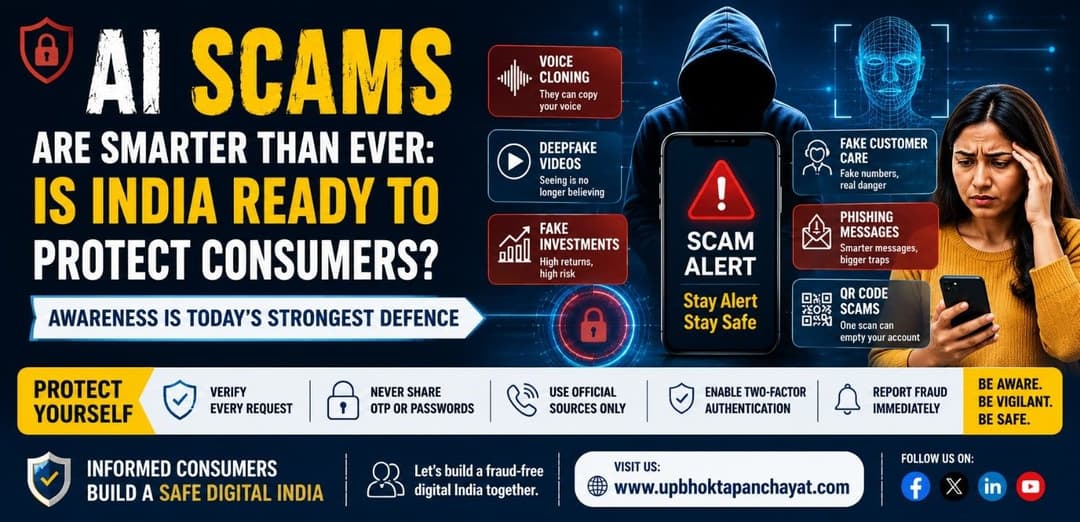
Digital technology has transformed the way people communicate, shop, bank, invest, and access essential services. While this digital revolution has made life more convenient, it has also created new opportunities for cybercriminals to exploit unsuspecting consumers.